
Short answer: choose a vehicle class from the complete journey, not from passenger count alone. The practical fit depends on the number of travellers, the quantity and shape of the luggage, route length, planned stops and the level of space the passengers need during the ride.
A sedan may be the right starting point for a smaller party with straightforward luggage. A van class is often worth considering when several passengers, larger suitcases, a pushchair, equipment or a longer itinerary make usable space more important. The safest decision is to send the real trip details and confirm the class before booking.

Updated 12 July 2026 · Editorial review by Pro Limo Drive
Vehicle-class decision checklist
- Count passengers and luggage together
- Understand when a sedan makes sense
- Know when to consider a van
- Plan airport transfers around the full arrival
- Account for business schedules and presentation
- Send the details needed for a recommendation
Start with passengers and luggage together
Passenger count is only the first filter. Two travellers with several large suitcases can require more usable space than three travellers carrying cabin bags. A group may also have a pushchair, presentation equipment, sports gear or another item that does not behave like a standard suitcase.
Before choosing a class, write down:
- the number of adults and children;
- the number of full-size suitcases and smaller bags;
- any pushchair, wheelchair, instrument or unusually shaped item;
- whether a child-seat request needs to be checked;
- the pickup, destination, stops and likely time in the vehicle.
If an item is difficult to describe, send a photograph and approximate dimensions. This is more useful than relying on a generic capacity figure because luggage shape and the combination of items can change the practical fit. A recommendation should protect passenger comfort and safe luggage placement, not merely reach the theoretical maximum.
When is a sedan class a sensible choice?
A sedan is a logical option when the travelling party is smaller, luggage is straightforward and the journey does not require extra room for equipment or several large bags. Common examples include a city transfer, a single airport pickup with confirmed luggage, transport to a meeting or a direct intercity journey for one or two guests.
The word “sedan” still describes a class rather than one guaranteed model. If cabin presentation, rear-seat space or arrival style matters for a business guest, include that context in the request. The most expensive-sounding category is not automatically the best choice; the correct class is the one that fits the real journey without creating unnecessary space or cost.
Questions to ask before confirming a sedan
- Will every bag fit without occupying passenger space?
- Does the passenger need to work or make calls during a longer route?
- Is another guest likely to join at a later stop?
- Does any item require special handling or separate confirmation?
When should you consider a van class?
A van class becomes more practical when space is the main decision factor. This can happen with a group arrival, several full-size suitcases, family travel, a pushchair, event equipment or an itinerary where passengers and luggage remain together through several stops.
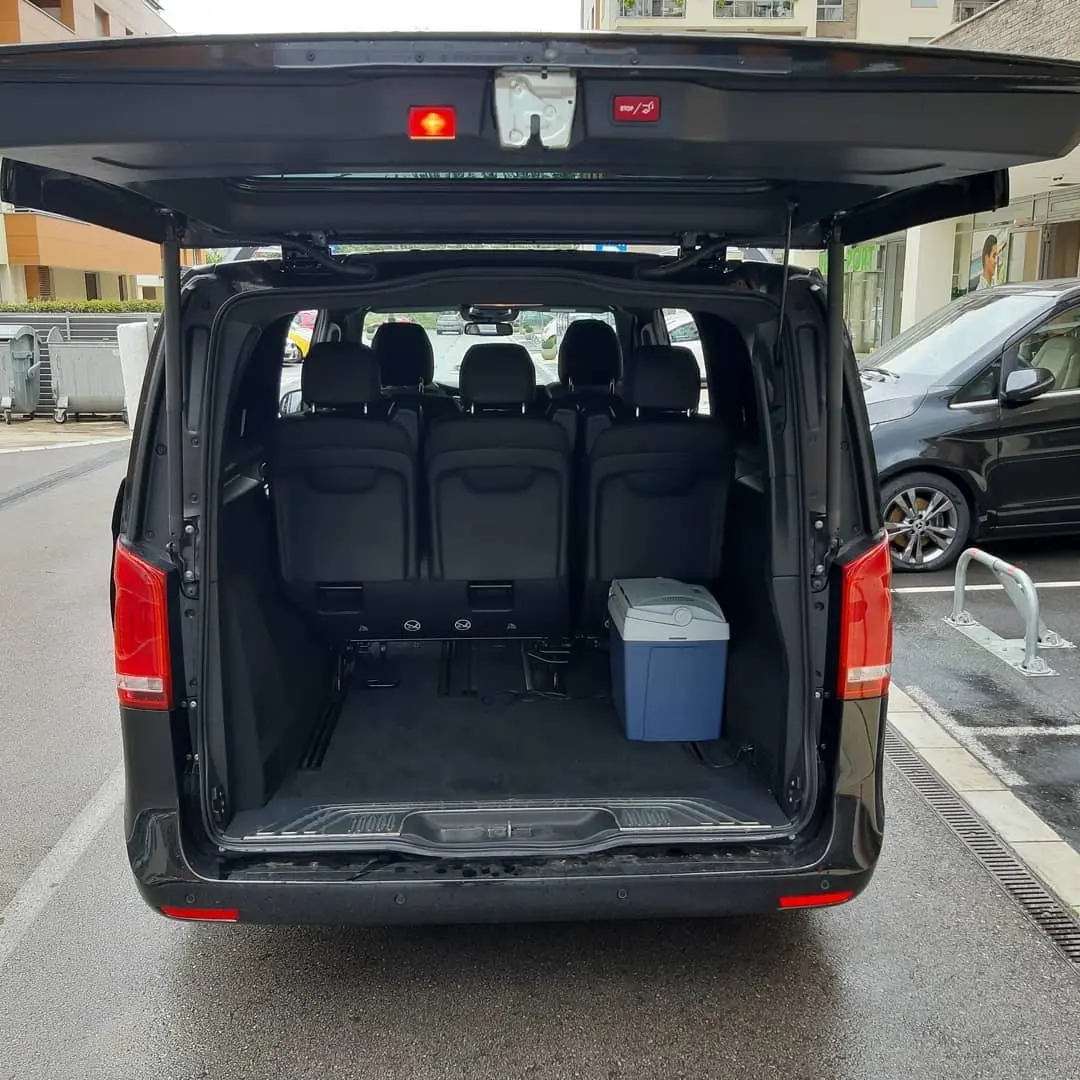
A van is not a downgrade from a sedan. For the right itinerary it can be the more comfortable and operationally sensible choice. It may reduce the need to split a group or place bags where passengers expected usable cabin space. The exact vehicle, fit and availability still need confirmation for the requested date.
A practical sedan-versus-van comparison
| Trip situation | Class to consider | What to confirm |
|---|---|---|
| Smaller party with simple luggage | Sedan | Actual bag count, pickup and destination |
| Business guest travelling alone or with one colleague | Suitable sedan class | Luggage, schedule and presentation needs |
| Several passengers with multiple larger bags | Van | Complete passenger and luggage list |
| Pushchair, child-seat request or bulky item | Request a recommendation | Item type, dimensions and advance availability |
| Longer route with multiple stops | Choose around usable space | Route, stops, waiting and return plan |
How should you choose a class for an airport transfer?
Airport arrivals are where luggage is most often underestimated. Count the bags expected after baggage claim, not only the luggage carried into the aircraft cabin. Include the flight, destination, passenger contact and any onward deadline so the transfer can be considered as part of the full arrival plan.
A direct ride from Belgrade Airport to a hotel creates a different requirement from an arrival followed by an office, another passenger pickup or an intercity route. If the flight and pickup procedure are the main concern, read the Belgrade airport pickup checklist and the Airport Transfer service page.
How does route length change the decision?
A short city movement and a longer route do not create the same comfort needs. As time in the vehicle increases, rear-seat space, luggage placement, planned breaks and the passenger’s next obligation become more important. A class that feels adequate for a short transfer may be a poor fit for several connected hours.
For a route with several stops, send the expected service window and identify what is fixed and what may change. Distance alone does not describe the operational requirement. A hotel pickup, two meetings and an uncertain return time may be better handled as private driver service in Belgrade than as several unrelated transfers.
What changes for business guests?
For a business guest, vehicle choice can also involve schedule continuity, presentation and the ability to keep personal items together between appointments. A sedan may suit one guest with straightforward luggage. A van can be the better operational option when colleagues, event material or several suitcases need to travel together.
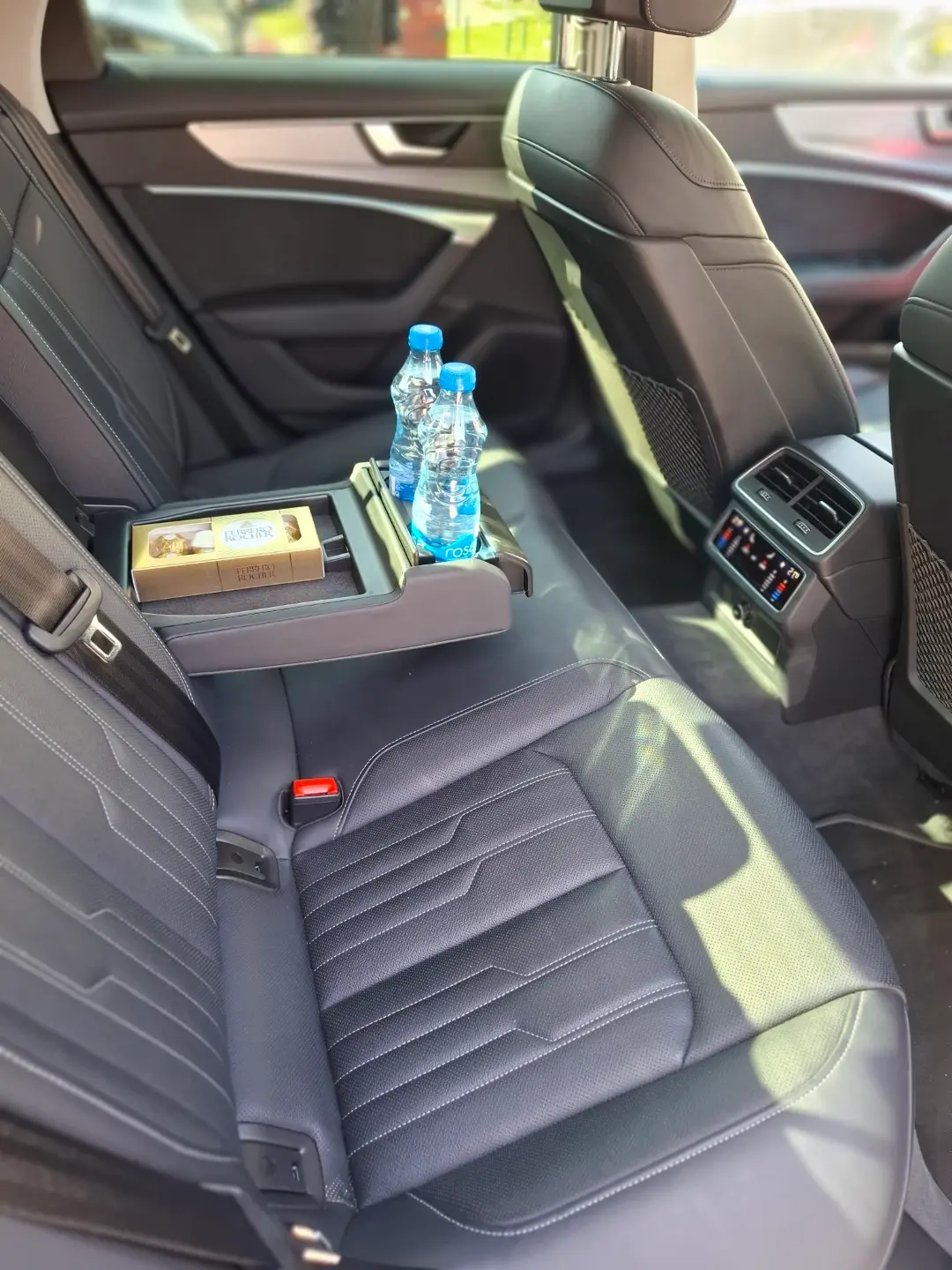
Executive assistants and travel coordinators should include the passenger’s name, booking contact, pickup sign or contact procedure if relevant, and every fixed deadline. See Business Transport when the request belongs to a wider guest schedule.
Common mistakes when choosing a vehicle class
- Counting seats but not bags. The passenger number can fit while the luggage combination does not.
- Using “standard luggage” without detail. State large suitcases, cabin bags and unusual items separately.
- Choosing by prestige alone. Select the class that solves the actual space and itinerary requirement.
- Leaving changes until pickup. Added passengers, child-seat requests or large items should be disclosed in advance.
- Ignoring the complete route. Stops, waiting and an intercity continuation can change the best format.
What should you send for a reliable recommendation?
Send the date, pickup time, complete route, passenger count, number of large suitcases and cabin bags, unusual items, child-seat request and any fixed deadline. For an airport pickup, include the flight number. For a flexible day, state the known stops and approximate end time.
You do not need to guess the final class. Review the available guidance on the chauffeur vehicle classes page, then use Contact to send the real details. Pro Limo Drive can confirm the suitable format, availability and quotation after reviewing the request.
Frequently asked questions
Is passenger count enough to select a vehicle?
No. Luggage, unusual items, route length and the amount of usable passenger space can change the practical choice.
Can I request a child seat?
Include the request in advance with the child’s relevant age or size information. The suitable type and availability must be confirmed before the journey.
What if I have oversized luggage?
Describe the item and send approximate dimensions or a photograph. It may change the recommended class or require separate confirmation.
Is a van always necessary for a group?
Not automatically. The correct choice depends on the complete passenger-and-luggage combination, route and comfort requirement.
Can Pro Limo Drive recommend the class?
Yes. Send the real journey details so the recommendation follows the trip rather than a generic class label.