
Short answer: a private driver for a day is useful when several connected movements belong to one schedule. It can be more practical than booking separate rides when the passenger has multiple meetings, planned waiting, a flexible final stop, an intercity continuation or luggage that needs to remain with them.
For one fixed pickup and destination, a point-to-point transfer is usually the clearer option. A day or hourly chauffeur request becomes valuable when continuity matters and the journey cannot be reduced to one simple movement.
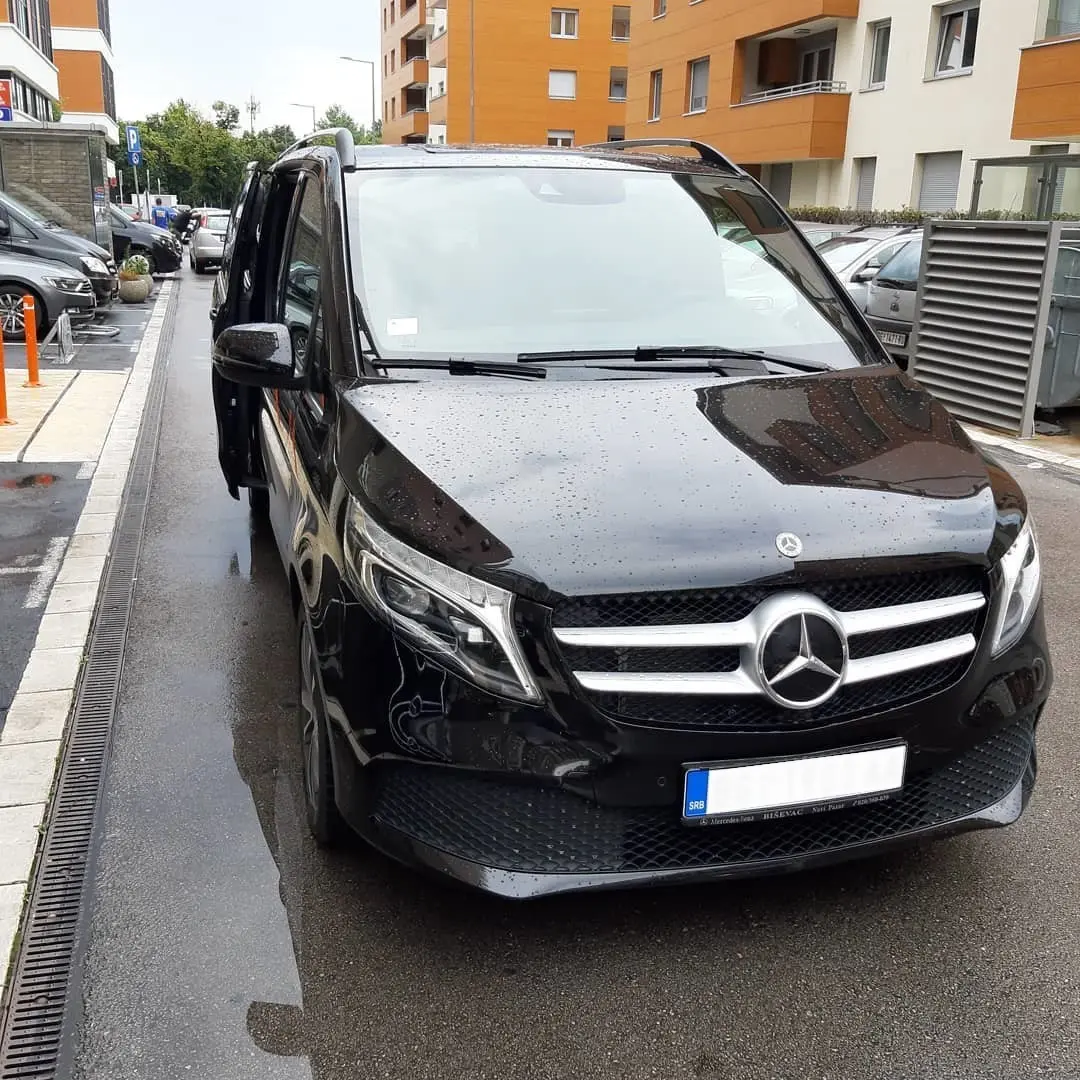
Updated 12 July 2026 · Editorial review by Pro Limo Drive
Private-driver planning guide
- Decide whether one driver or separate transfers fit better
- Prepare a useful itinerary brief
- Plan a multi-stop day in Belgrade
- Account for travel outside Belgrade
- Choose the vehicle class from passengers and luggage
- Send the details needed for a quotation
When is one private-driver booking the right format?
Consider a private-driver or hourly chauffeur format when the day includes several connected stops, waiting between appointments or a return time that may change. It can also make sense when an assistant is coordinating for another passenger, when a guest needs continuity between a hotel and meetings, or when personal items remain in the vehicle during the planned schedule.
The purpose is not to make every minute rigid. It is to review the known parts as one plan and clearly mark the flexible parts. A useful request separates fixed deadlines from approximate timings, which helps determine whether the itinerary needs continuous service or a smaller number of individual transfers.
Situations that often justify a continuous plan
- hotel pickup followed by several business appointments;
- an event schedule with waiting between locations;
- a hosted visit where the next stop depends on the previous meeting;
- a Belgrade itinerary that continues to another city;
- passengers carrying luggage or equipment through the day;
- an executive assistant or travel coordinator managing the movements remotely.
When are separate transfers the better choice?
Separate transfers are often clearer when every movement has a fixed time and destination, there is no planned waiting and continuity between stops is unnecessary. An airport pickup in the morning and an unrelated dinner transfer in the evening may be easier to request as two bookings.
Choosing the simpler format avoids paying for or organising a service window that the passenger does not need. A private-driver day should solve genuine itinerary complexity rather than serve as a general label for every journey.
How to prepare a useful itinerary brief
The best first message does not need to be final, but it should show the shape of the day. Start with the first pickup, known stops and the expected end point. Then identify which times are fixed and which may move.
Example request: Hotel pickup in central Belgrade at 08:30, first meeting at 09:00, a second business stop around midday, lunch if timing allows and return to the hotel after the final appointment. Two passengers with cabin bags. The first meeting is fixed; the afternoon schedule may change.
This is an illustrative planning example, not a description of a particular customer journey. It gives enough information to discuss the service format without inventing a price, promising availability or assuming that every change can be accommodated.
Planning a multi-stop day in Belgrade
Belgrade schedules should be planned around more than the straight-line distance between locations. Pickup access, the order of meetings, waiting expectations and fixed deadlines all affect the itinerary. A short distance on the map can still require careful timing when a passenger moves between a hotel, office, event venue and dinner.
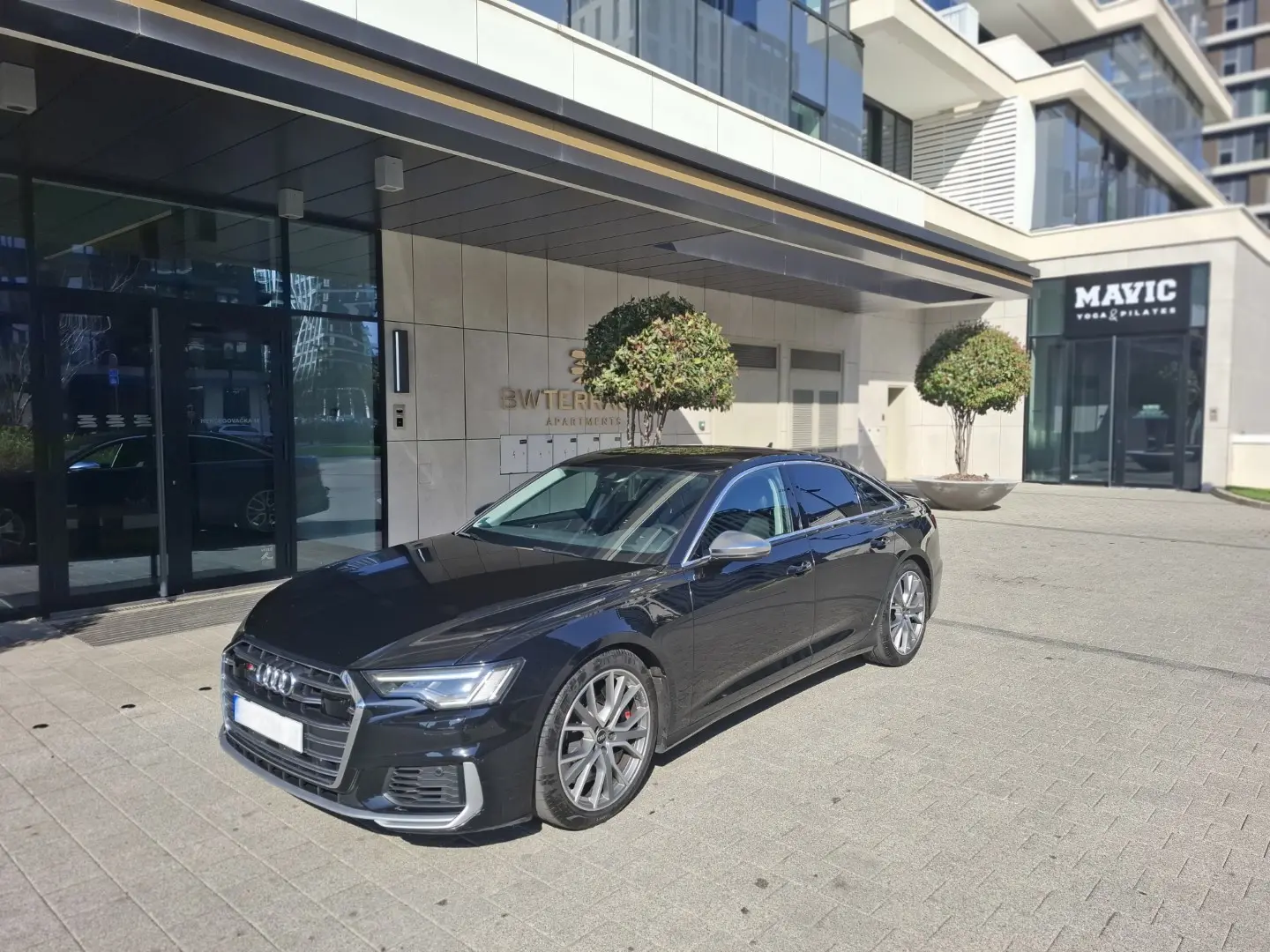
List the stops in the most likely order, but mark optional locations as optional. If the passenger must arrive at a meeting, train, flight or event at a fixed time, make that deadline visible. The booking contact should also explain how schedule changes will be communicated during the day.
For a guest-led business schedule, the Business Transport page provides additional planning context. For one straightforward movement, a regular transfer may remain the better format.
What changes when the route leaves Belgrade?
A day that continues outside Belgrade needs the complete outward route, planned stops and return expectation. Include whether the passenger returns to Belgrade, ends the journey in another city or needs an airport connection afterwards. This helps distinguish a flexible driver-service request from a direct intercity transfer or a leisure-led private route.
Do not rely only on the destination name. The useful details are the pickup time, reason for any stop, amount of waiting, expected end time and every deadline after the return. For a leisure-oriented itinerary, review Private Tour Transport in Serbia. For route comparison, see the Belgrade to Novi Sad transfer guide.
What shapes the service format and quotation?
The itinerary, service window, number of stops, passenger count, luggage and parts of the schedule that may change all help define the request. Parking, tolls, waiting rules, minimum duration and other inclusions should be checked in the actual offer rather than assumed from an article.
This guide intentionally does not state a fixed price or minimum. A useful quotation depends on the real route and requested format. When comparing offers, check what is included, which vehicle class is proposed, how waiting or changes are handled and whether the quoted route matches the itinerary you supplied.
How should you choose the vehicle class?
Passenger count alone is not enough. Include large suitcases, cabin bags, unusual items, route length and the amount of usable passenger space required. A smaller party with straightforward luggage may suit a sedan. A group or luggage-heavy itinerary may need a van. The final fit and availability must be confirmed for the requested journey.
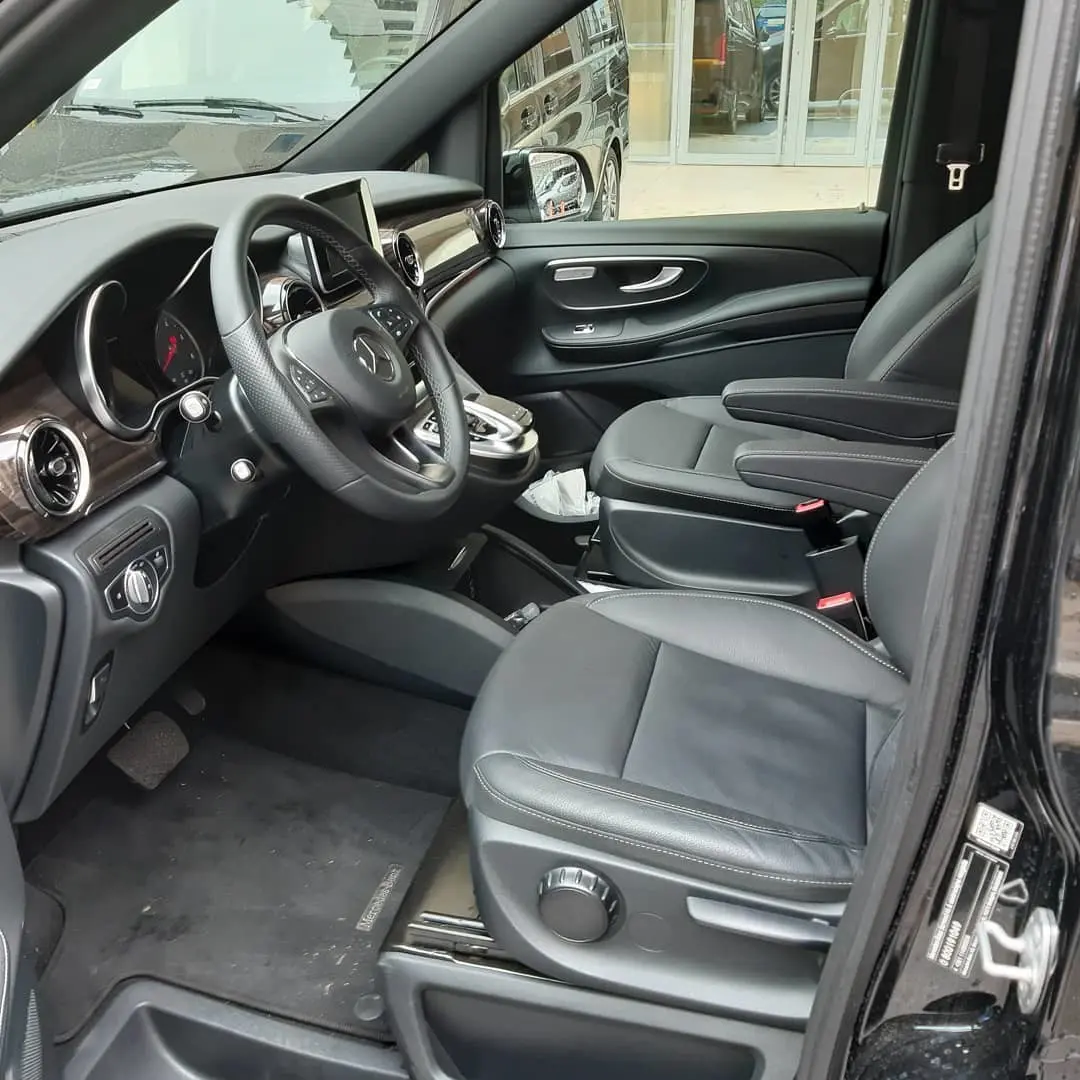
Use the detailed vehicle-class guide or review the chauffeur vehicle classes before asking for a recommendation.
What should an assistant or coordinator include?
When the person booking is not the passenger, name one booking contact and one passenger contact. State who approves changes and how updated trip details should reach the driver-service team. Include the passenger’s preferred language only if relevant to the coordination request, and avoid sending unnecessary personal information.
A clear coordinator brief normally contains:
- date and first pickup time;
- pickup address and passenger contact;
- known stops in their expected order;
- fixed arrival deadlines;
- approximate end time or return plan;
- passenger and luggage details;
- the parts of the schedule that may change;
- the person authorised to confirm those changes.
Common planning mistakes
- Sending only the first pickup. The full outline is needed to choose the correct format.
- Treating every time as approximate. Mark flights, meetings and events that cannot move.
- Forgetting luggage between stops. Items remaining with the passenger can affect vehicle choice.
- Assuming every cost is included. Ask the quotation to state its inclusions clearly.
- Using several coordinators. One defined booking contact reduces conflicting messages.
What should you send to request a private driver?
Send the date, first pickup time and address, known stops, approximate end time, passenger count, complete luggage estimate and every fixed deadline. Mark uncertain parts honestly. If the day includes an airport, include the flight number and whether the airport movement begins or ends the service window.
Review Private Driver Service in Belgrade, then send the outline through Contact. Pro Limo Drive can review the requested format, vehicle class, availability and quotation against the actual itinerary.
Frequently asked questions
Do I need a final itinerary before requesting a driver?
No. Send what is fixed and mark uncertain stops or times clearly. The first pickup, likely route, passengers and expected service window are the most useful starting points.
Is a private-driver day always priced by the hour?
Do not assume the pricing format. Ask for the service format, minimum if applicable and inclusions to be confirmed for the actual route.
Can the route include Belgrade and another city?
Include the full route, stops and return plan. The practical format depends on the real schedule and must be confirmed before booking.
Can the itinerary change during the day?
Mark expected flexibility in the request and ask how changes are handled. Availability for a new stop or extended time should not be assumed.
Is one driver always better than separate transfers?
No. One continuous booking is useful when the movements belong to one flexible schedule. Fixed, unrelated journeys may be clearer as separate transfers.